Showing posts with label Goat Cheese. Show all posts
Something Different
Cherry Peach Crostini
4 oz. goat cheese, softened
2 oz. cream cheese, softened
1/2 cup peaches, chopped small
1/2 cup dried or fresh cherries, chopped small
2 tbsp. honey
2 fresh sage leaves minced
1/2 tsp balsamic vinegar
1/2 tsp olive oil
3 bacon slices cooked and chopped
salt and pepper
Toasted baguette slices
Mix goat cheese and cream cheese together and keep cool. Cut peaches and cherries small and add to a bowl. Add cut up bacon pieces. Mix together honey, sage, balsamic and olive oil and whisk together. Season with salt and pepper and taste to adjust. Mix together with fruit. If you want a little brighter flavor, add a little lemon or use a white balsamic instead of traditional.
Yum!
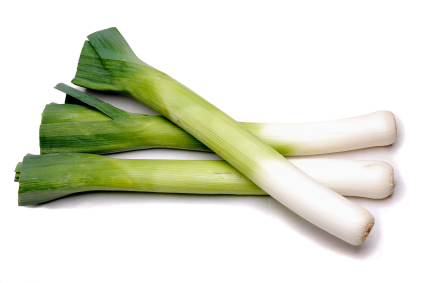
The Cheeky Leek
With a more delicate and sweeter flavor than onions, leeks add a subtle
touch to recipes without overpowering the other flavors that are
present. Although leeks are available throughout the year they are in
season from the fall through the early part of spring when they are at
their best. Leeks should be firm and straight with dark green leaves and white
necks. Good quality leeks will not be yellowed or wilted, nor have bulbs
that have cracks or bruises. Since overly large leeks are generally
more fibrous in texture, only purchase those that have a diameter of one
and one-half inches or less. Try to purchase leeks that are of similar
size so as to ensure more consistent cooking if you are planning on
cooking the leeks whole. Fresh leeks should be stored unwashed and untrimmed in the refrigerator,
where they will keep fresh for between one and two weeks. Wrapping them
loosely in a plastic bag will help them to retain moisture. Cooked
leeks are highly perishable, and even when kept in the refrigerator,
will only stay fresh for about two days.Leeks are an excellent source of vitamin K. They are very good source of
manganese, vitamin B6, copper, iron, folate, and vitamin C. Leeks are
also a good source of vitamin A, dietary
fiber, magnesium, vitamin E, calcium, and omega-3 fatty acids. They are so under used and so worth using.
The best way to cut and wash leeks is to cut off root and cut leeks in half lengthwise. Fan out the leeks and rinse well under running water, leaving them intact. Cut leeks into 2-inch lengths. Holding the leek sections cut side up, cut lengthwise so that you end up with thin strips, known as the chiffonade cut, slicing until you reach the green portion.
I have a feeling we are going to need something warm this week. These recipes are easy and super yum!
Potato Leek Soup
3 large leeks
2 Tbsp butter
1 medium carrot chopped
4 cups chicken broth (or vegetable broth for vegetarian option)*
2 lbs potatoes (Yukon gold or Red potato), peeled, diced into 1/2 inch pieces
1 1/2 teaspoons kosher salt plus more to taste
Pinch of dried marjoram
1 or 2 sprigs of fresh thyme, or 1/2 teaspoon dried thyme
1 bay leaf
1/4 cup chopped fresh parsley
salt and pepper to taste
1/2 cup heavy cream
*If cooking gluten-free, be sure to use gluten-free broth
Clean the leeks. Cut them lengthwise, fan them open under running water to dislodge any dirt or mud hiding inside. Cut of the tough dark green tops and discard (either compost or freeze for making stock). Slice the white and light green parts of the leeks crosswise into 1/4-inch thick slices.
Melt butter on medium heat add the chopped leeks, stir to coat with the butter. Cover the pot and lower the heat, cook for 10 minutes until the leeks are softened. Check to make sure the leeks are not browning.
The best way to cut and wash leeks is to cut off root and cut leeks in half lengthwise. Fan out the leeks and rinse well under running water, leaving them intact. Cut leeks into 2-inch lengths. Holding the leek sections cut side up, cut lengthwise so that you end up with thin strips, known as the chiffonade cut, slicing until you reach the green portion.
I have a feeling we are going to need something warm this week. These recipes are easy and super yum!
3 large leeks
2 Tbsp butter
1 medium carrot chopped
4 cups chicken broth (or vegetable broth for vegetarian option)*
2 lbs potatoes (Yukon gold or Red potato), peeled, diced into 1/2 inch pieces
1 1/2 teaspoons kosher salt plus more to taste
Pinch of dried marjoram
1 or 2 sprigs of fresh thyme, or 1/2 teaspoon dried thyme
1 bay leaf
1/4 cup chopped fresh parsley
salt and pepper to taste
1/2 cup heavy cream
*If cooking gluten-free, be sure to use gluten-free broth
Clean the leeks. Cut them lengthwise, fan them open under running water to dislodge any dirt or mud hiding inside. Cut of the tough dark green tops and discard (either compost or freeze for making stock). Slice the white and light green parts of the leeks crosswise into 1/4-inch thick slices.
Melt butter on medium heat add the chopped leeks, stir to coat with the butter. Cover the pot and lower the heat, cook for 10 minutes until the leeks are softened. Check to make sure the leeks are not browning.
Add the broth, diced potatoes, bay leaf, marjoram, thyme, and a teaspoon
of salt to the pot. Increase the heat to high to bring to a simmer,
then lower the heat to maintain a low simmer, and cook for 20 minutes,
until the potatoes are cooked through.
Quiche with Goat Cheese and Leeks
1 (9-inch) frozen pie crust (I used a gluten free pie crust from Sprouts)
2 leeks trimmed, halved lengthwise and sliced
Remove and discard the bay leaf and thyme sprig. Use an immersion
blender or standing blender to blend about half of the soup if you want a
chunky soup, or all of it if you would like your soup to be more
smooth. Add the parsley, and cook a few minutes more. Stir in cream and then adjust for seasoning.
A great addition to this soup is chunks of ham or left over corned beef.
1 (9-inch) frozen pie crust (I used a gluten free pie crust from Sprouts)
2 leeks trimmed, halved lengthwise and sliced
1 pat of butter with 1 small drizzle of coconut or olive oil
3 eggs
1/2 cup lowfat (2%) milk or 2/3 cup rice or almond milk
1/2 cup heavy cream or coconut creme (trader joes is the best)
2 tablespoons chopped fresh tarragon or chives
1/4 teaspoon fine sea salt
1/4 teaspoon ground black pepper
3/4 teaspoon ground nutmeg
2 ounces soft goat cheese, crumbled
3 eggs
1/2 cup lowfat (2%) milk or 2/3 cup rice or almond milk
1/2 cup heavy cream or coconut creme (trader joes is the best)
2 tablespoons chopped fresh tarragon or chives
1/4 teaspoon fine sea salt
1/4 teaspoon ground black pepper
3/4 teaspoon ground nutmeg
2 ounces soft goat cheese, crumbled
Preheat oven to 400°. Saute leeks in butter and oil seasoned with salt and pepper. Set aside to cool and sprinkle in your nutmeg, tarragon or chives. Crack your eggs and scramble with your milk or milk substitute and cream. Mix in your leek mixture and pour into your frozen pie crust. Break your goat cheese into small chunks and sprinkle them into the egg mixture. Sprinkle with a little bit of salt and pepper and more herbs. If you have a pie crust guard use this or lightly wrap your pie crust edges with tinfoil. Bake for 35-45 minutes, depending on your oven. You'll want it to be lightly browned and puffed. Serve alongside a yummy salad with crisp granny smith apples and you've got a great meal.
This next recipe is not gluten free or dairy free. There are a couple of options for gluten free lasagna noodles so if you can find one that works use it and then replace the flour for an all purpose xanthan gum free gluten free flour or potato starch.
Artichoke and Leek Lasagna
![]() |
| Recipe courtesy of Bon Appetite |
1/2 pound dried lasagna noodles (I used the no boil type)
2 cups ricotta cheese
3/4 cup grated Parmigiano-Reggiano cheese
Salt and freshly ground pepper, to taste
2 tablespoons olive oil
12 baby leeks, including 3 inches of green portion, or 5 large leeks, including 1 inch of green, rinsed well and cut into 1/2-inch dice
Juice of 1 lemon
4 large or 20 baby artichokes
1/4 cup veggie broth or chicken, whatever you have on hand + 2 tablespoons
5 garlic cloves, minced
2 1/2 cups milk
3 tablespoons unsalted butter
1/4 cup all-purpose flour
Freshly grated nutmeg, to taste
1/2 pound whole-milk mozzarella cheese, shredded
In a large bowl, combine your ricotta and parmigiano, chopped artichokes, 2 tbsps broth and lemon juice.
2 cups ricotta cheese
3/4 cup grated Parmigiano-Reggiano cheese
Salt and freshly ground pepper, to taste
2 tablespoons olive oil
12 baby leeks, including 3 inches of green portion, or 5 large leeks, including 1 inch of green, rinsed well and cut into 1/2-inch dice
Juice of 1 lemon
4 large or 20 baby artichokes
1/4 cup veggie broth or chicken, whatever you have on hand + 2 tablespoons
5 garlic cloves, minced
2 1/2 cups milk
3 tablespoons unsalted butter
1/4 cup all-purpose flour
Freshly grated nutmeg, to taste
1/2 pound whole-milk mozzarella cheese, shredded
Cut leeks and make sure they are free of dirt. Saute them in olive oil with garlic until soft.
In a sauce pan melt butter and stir in flour and cook until smooth and nutty smelling. Add milk, broth, nutmeg and bring to a boil, watching carefully. Thicken the white sauce and set aside.
Spread a little olive oil in your baking dish and pour a small amount of sauce in the bottom. Line with your no bake noodles, a layer of leeks, mozzarella and some spoonfuls of white sauce. Add another layer of noodles, then a layer of ricotta and artichokes, another layer of noodles and then back to sauce, leeks, mozzarella. Keep layering until it's about 1/4 inch to the top. Top with remaining shredded cheese and bake at 375° until golden and bubbly. About 35-40 minutes.
| Photo and Recipe here |
Salmon with Leek and Parsnip Puree
4 salmon fillets
1 lemon zested and juiced
2 tbsp thyme leaves
2 tbsp thyme leaves
6 parsnips, chopped
2 tbsp cream cheese + 2 tbsp small curd cottage cheese
OR 4 tbsp greek yogurt ( I personally choose the cottage and cream cheese)
1 tbsp olive oil
2 leeks, thinly sliced
1 tbsp olive oil
2 leeks, thinly sliced
Place the salmon pieces into a roasting
tin, squeeze over the lemon juice and
scatter with 1/2 the zest. Season and
sprinkle over 1/2 the thyme. Roast at 400° for
15 mins until salmon is cooked through.
Meanwhile, bring a lightly salted pan of water to the boil and cook the parsnips
for 15 mins, until tender.
While the parsnips are cooking, take the cottage cheese and cream cheese and blend them till very smooth. This creates a creme frais type mixture.
Drain parsnips well, then
mash with the remaining lemon zest and
the cream cheese & cottage mixture. Keep warm.
Heat the oil in a non-stick frying pan.
Cook the leeks over a medium heat for
6-8 mins, adding a splash of water and
covering with a lid after 5 mins, until soft.
Stir the leeks into the mash and serve
with the salmon, scattered with the
remaining thyme leaves.
Green is good!
I say any green is good green so bulk up, add it to every dish and call yourself a success!
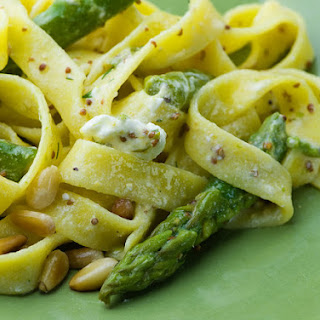
Lemon Goat Cheese Pasta
1 pound linguini (I used a gluten free egg linguini)
1 pound slender asparagus spears, trimmed, cut into 1- to 1 1/2-inch pieces
1/4 cup olive oil
1/4 cup pine nuts, toasted
1 tablespoon finely grated lemon peel
2 teaspoons chopped fresh tarragon plus more for garnish
1 5- to 5 1/2-ounce log soft fresh goat cheese log
Fresh lemon juice and salt and pepper to taste
Cook your pasta in a large pot of well-salted water until it is almost tender, or about three minutes shy of what the package suggests. Add asparagus and cook until firm-tender, another two to three minutes. Drain both pasta and asparagus together, reserving one cup of pasta water.
Meanwhile, combine olive oil, lemon peel, tarragon and goat cheese in a large bowl, breaking up the goat cheese as you put it in. Add hot pasta and asparagus to bowl, along with a couple slashes of the pasta water. Add toasted pine nuts and toss until smoothly combined, adding more pasta water if needed. Season generously with salt and pepper, and lemon juice if you feel it needs a little extra kick.
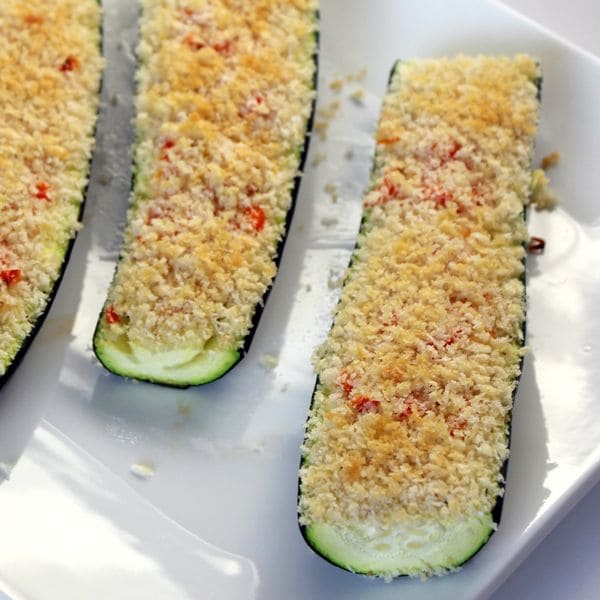
Stuffed Zucchini 4 Ways
Spreadable alouette spreadable cheese (pick your favorite variety)
Finely diced red bell pepper (half a pepper)
Panko bread crumbs ( I used vans gluten free)
Olive oil or melted coconut oil
Spread cheese into hollowed out zucchini.
Sprinkle with diced red bell pepper.
Cover each zucchini with breadcrumbs, and spritz with olive oil. Bake until zucchini is cooked and breadcrumbs are golden brown. Preheat oven to 350o
This next recipe was a little tricky because as I was searching for fun ideas with Sam he said "how about pasta" So we found this image, but there was no recipe attached. It said it was lemony parm pasta, but that was all we had to go on. Now we know that lemon and zucchini is golden and so we played around with the recipe and here is what we came up with. The recipe makes more than you can stuff into two zucchinis, but we reserved the rest for school lunch and even added some hot pasta into a spinach salad with sweet green peas, diced ham and a splash of oil and vinegar dressing.
1 large shallot minced
1 tsp coconut oil or olive oil
1 cup parmesan cheese
1/2 cup heavy cream or you can use 1/4 cup half and half mixed with 1 tsp cornstarch
1 lemon zested and squeezed
1 tbsp chopped parsley
1/4 tsp celery salt
1 tsp garlic crushed or from the jar (we used jarred)
2 zucchini, halved and hollowed out
1/2 cup breadcrumbs
1 1/2 cups ditalini pasta ( used gluten free barilla brand)
Bring a large pot of water to a boil, salt the water and add the ditalini pasta. Slightly under cook the pasta. While the pasta is cooking, saute your shallot in oil until soft, add garlic and let it sizzle slightly. This is the time you'd add your gluten free option like cornstarch and half and half, bring to a boil until it thickens.
Drain pasta and place back in hot pot. Add zest, lemon juice, shallot and garlic mixture along with cream and seasonings to pot. Add panko crumbs and parmesan and mix until completely coated. Spoon pasta mix into your hollowed out zucchini and sprinkle with salt and pepper on top. You'll want to bake them on a rack or up on top of some tinfoil. Pour a couple tablespoons of water into the pan and Bake at 375o until golden.

Have you tried this before? It's new to me, but Sam recently had a snack at a friends house called "sour patch grapes". It's easy and fun and it gets him to eat green grapes so win win.

All you need to do is take a zip-lock bag and add green grapes with a few scoops of melon or watermelon flavored Jello mix. Close the bag and shake so that the grapes are evenly coated with the Jello mix. Once they are coated, place the bag in the freezer for at least 30 minutes.
Remove the grapes from the freezer and dig in. They don't last long.
Lemon Goat Cheese Pasta
1 pound linguini (I used a gluten free egg linguini)
1 pound slender asparagus spears, trimmed, cut into 1- to 1 1/2-inch pieces
1/4 cup olive oil
1/4 cup pine nuts, toasted
1 tablespoon finely grated lemon peel
2 teaspoons chopped fresh tarragon plus more for garnish
1 5- to 5 1/2-ounce log soft fresh goat cheese log
Fresh lemon juice and salt and pepper to taste
Cook your pasta in a large pot of well-salted water until it is almost tender, or about three minutes shy of what the package suggests. Add asparagus and cook until firm-tender, another two to three minutes. Drain both pasta and asparagus together, reserving one cup of pasta water.
Meanwhile, combine olive oil, lemon peel, tarragon and goat cheese in a large bowl, breaking up the goat cheese as you put it in. Add hot pasta and asparagus to bowl, along with a couple slashes of the pasta water. Add toasted pine nuts and toss until smoothly combined, adding more pasta water if needed. Season generously with salt and pepper, and lemon juice if you feel it needs a little extra kick.
Stuffed Zucchini 4 Ways
Slice zucchini in half. Slice off the bottom to keep stable. Brush with olive oil and top with garlic or garlic powder. Top with shredded mozzarella cheese, sliced tomatoes, salt and pepper and parsley. Bake 350outil golden.
Spreadable alouette spreadable cheese (pick your favorite variety)Finely diced red bell pepper (half a pepper)
Panko bread crumbs ( I used vans gluten free)
Olive oil or melted coconut oil
Spread cheese into hollowed out zucchini.
Sprinkle with diced red bell pepper.
Cover each zucchini with breadcrumbs, and spritz with olive oil. Bake until zucchini is cooked and breadcrumbs are golden brown. Preheat oven to 350o
This next recipe comes from Family Circle Magazine. They did it just a little bit differently, but I actually loved the technique.
2 zucchini
1/2 tablespoon olive oil
1/2 yellow bell pepper, seeded and chopped
1/2 medium-size onion, chopped
1 clove garlic, finely minced
1/2 pound ground chicken
1 heaping tablespoon cup golden raisins
1/4 teaspoon salt
1/8 teaspoon black pepper
1/8 teaspoon ground cinnamon
1/4 cup shredded cheddar cheese
1-1/2 tablespoons toasted pine nuts
1/2 tablespoon olive oil
1/2 yellow bell pepper, seeded and chopped
1/2 medium-size onion, chopped
1 clove garlic, finely minced
1/2 pound ground chicken
1 heaping tablespoon cup golden raisins
1/4 teaspoon salt
1/8 teaspoon black pepper
1/8 teaspoon ground cinnamon
1/4 cup shredded cheddar cheese
1-1/2 tablespoons toasted pine nuts
Slice your zucchini in half, hollow out the flesh and set aside for another recipe. Place your zucchini in a glass baking dish upside down. Pour 2 tablespoons of water into the bottom of the dish and bake at 375o for 10 minutes. While the zucchini is baking, heat a skillet and add chicken, onion and garlic and saute until chicken is cooked through. Remove pre baked zucchini and set aside. Season your chicken mixture with cinnamon, pepper and salt. Remove chicken into another bowl and add raisins, toasted pine nuts, and shredded cheddar cheese. Stuff your zucchini and bake again until the tops are golden and cheese is melted.
This next recipe was a little tricky because as I was searching for fun ideas with Sam he said "how about pasta" So we found this image, but there was no recipe attached. It said it was lemony parm pasta, but that was all we had to go on. Now we know that lemon and zucchini is golden and so we played around with the recipe and here is what we came up with. The recipe makes more than you can stuff into two zucchinis, but we reserved the rest for school lunch and even added some hot pasta into a spinach salad with sweet green peas, diced ham and a splash of oil and vinegar dressing.
Lemon Pasta stuffed Zucchinis
1 large shallot minced
1 tsp coconut oil or olive oil
1 cup parmesan cheese
1/2 cup heavy cream or you can use 1/4 cup half and half mixed with 1 tsp cornstarch
1 lemon zested and squeezed
1 tbsp chopped parsley
1/4 tsp celery salt
1 tsp garlic crushed or from the jar (we used jarred)
2 zucchini, halved and hollowed out
1/2 cup breadcrumbs
1 1/2 cups ditalini pasta ( used gluten free barilla brand)
Bring a large pot of water to a boil, salt the water and add the ditalini pasta. Slightly under cook the pasta. While the pasta is cooking, saute your shallot in oil until soft, add garlic and let it sizzle slightly. This is the time you'd add your gluten free option like cornstarch and half and half, bring to a boil until it thickens.
Drain pasta and place back in hot pot. Add zest, lemon juice, shallot and garlic mixture along with cream and seasonings to pot. Add panko crumbs and parmesan and mix until completely coated. Spoon pasta mix into your hollowed out zucchini and sprinkle with salt and pepper on top. You'll want to bake them on a rack or up on top of some tinfoil. Pour a couple tablespoons of water into the pan and Bake at 375o until golden.
Have you tried this before? It's new to me, but Sam recently had a snack at a friends house called "sour patch grapes". It's easy and fun and it gets him to eat green grapes so win win.
All you need to do is take a zip-lock bag and add green grapes with a few scoops of melon or watermelon flavored Jello mix. Close the bag and shake so that the grapes are evenly coated with the Jello mix. Once they are coated, place the bag in the freezer for at least 30 minutes.
Remove the grapes from the freezer and dig in. They don't last long.
Not Just A Culture, A Lifestyle
Mediterranean Continued...
Unlike many other ethnic cuisines, Mediterranean cuisine is not the product of a specific ethnic group or culture. Rather, it is a label referring to the culinary trends shared by a diverse array of peoples that live in the region around the Mediterranean Sea. The overarching characteristics of Mediterranean cuisine are largely shaped by the climate and geography of the region. The sunny, mild Mediterranean climate yields an agricultural bounty that heavily influences the vegetable-dominant cuisines of the region. It's more than just good olive oil.
Fresh vegetables dominate Mediterranean cuisine, with a wide variety taking center stage in dishes throughout the region. While there is some cultural variation, eggplant, artichokes, squash, tomatoes, legumes, onions, mushrooms, okra, cucumbers, and a variety of greens and lettuces all flourish in this region and are commonly used. Vegetables appear in dishes in a variety of forms: baked, roasted, sautéed grilled, puréed, and served fresh in salads. Meat is used more sparingly.
Mediterranean cuisine is broken up into three distinct regions. Eastern. Southern and North African. Eastern cuisine, describes the culinary traditions of Greece, Turkey, Syria, Lebanon, Israel, Palestine, and Egypt. The flavors of parsley, sumac, mint, and lemon juice dominate the Eastern Mediterranean cooking palate, while pomegranates and nuts are regular ingredients in sauces and spreads. Grains take the form of rice or flat breads like pita and lavash, and don't forget the great yogurt and fresh cheeses like feta.
Southern European cuisine, which is found in Italy, Southern France, and Spain, contains wine enhanced recipes with bold flavors. Pork is also consumed more by these countries than the rest of the Mediterranean, and is more prevalent than goat, mutton, or lamb. Tomatoes, garlic, capers, anchovies, mustard, anise, and pine nuts are used in a variety of combinations to flavor Southern European dishes. A multitude of different grains are consumed: leavened breads, pasta, and rice are staples.
North African cuisine is characterized by an abundant use of spices. Morocco, Algeria, Tunisia, and Libya all regularly use cumin, coriander, saffron, cinnamon, cloves, chilies, saffron, and paprika. Dried fruit like dates, apricots, and raisins make frequent appearances in North African cuisine, both on their own and in cooked dishes. Lamb, goat, chicken and lots of slow cooked stews and meat dishes. Very aromatic.
Regardless of which region you like the best, they all offer something very special to the world, taste! A taste that makes you remember your childhood and the gatherings of family and friends and that crazy aunt with the hairy mole.
Mangia! Mangia!
Kid Approved Veggie Pancakes
1 cup rice, cooked
6 green onions, sliced
2 carrots, shredded
1/4 cup parsley
2 clove garlic, grated
2 eggs
2 tbs flour
Salt and pepper to taste
Olive oil for cooking
Combine the rice, onions, carrots, parsley, garlic, and flour in a large mixing bowl, stirring to combine thoroughly. Beat two eggs in a separate bowl and add to the mix. Combine.
Form into palm-size patties. Heat olive oil in a fry pan and cook the pancakes so they’re brown and heated through, about five minutes per side. Season with salt right after removing them from the pan.
This next recipe is a fun one for the kids. They can help assemble them and be apart of the process.
Chicken Parmesan Skewers
1 tube pillbury crescent rolls
1/2 tsp Italian seasoning
4 boneless chicken breasts
2 C marinara sauce, we used barilla
1 C grated parmesan cheese
1/4 C shredded mozzarella cheese
8 wooden skewers (soaked in water for 30 min) You can also use metal skewars
Place chicken in a ziplock bag or bowl with the marinara sauce and coat evenly.
Pour parmesan cheese into bowl and dip the chicken into the cheese.
Assemble the skewers by threading one end of the the stick with crescent dough (lengthwise) adding a chunk of chicken and then wrapping the dough around the chicken until the skewer is filled. Sprinkle each kabob with Italian seasoning.
Place skewers onto a sprayed baking sheet and bake at 400o until the chicken is browned slightly, about 20 minutes. Watch to make sure the dough doesn't burn. Turn your skewers so they evenly cook.
Remove from oven and sprinkle with mozzarella cheese.
Balsamic Portobello & Cheesy Polenta
8 portobello mushroom caps
2 Tbsp balsamic vinegar (the best balsamic you can get)
1.5 Tbsp olive oil (I used lite) + 1 Tbsp separated from the other amount
course salt and pepper
1 pint of cherry tomatoes
4 cloves garlic, minced
4 Tbsp basil walnut pesto (recipe below)
1 C polenta (corn grits)
3 C chicken or veg stock
1 tsp butter (I used vegan butter)
4 oz goat cheese
Walnut Pesto
2 C basil leaes
1/2 C toasted walnuts (you can also use pine nuts, toasted in a dry pan)
1/2 C grated parmesan cheese
2 cloves garlic
1/2 C olive oil
Combine all ingredients into your food processor and grind until combined and smooth.
For the Balsamic Portobellos
Preheat over to 425o and line two baking sheets with a piece of tin foil. In a small bowl, whisk together 2 Tbsp balsamic vinegar, 1.5 Tbsp olive oil and a generous pinch of both salt and pepper.
Clean the gills from the underside of your portobello mushrooms, carefully with a spoon. Baste and coat each mushroom with the mixture and place the mushrooms side up on one baking pan.
On the other baking sheet toss together your cherry tomatoes, garlic, and 1 Tbsp of remaining olive oil and also season with salt and pepper.
Roast both pan in the oven for 25 minutes. Make sure the oven racks are only about 1 inch apart and place the mushrooms on the bottom rack.
While the veg is roasting, heat a stock pot on the stove and bring 3 cups of stock to a boil Add in the polenta grits, turn heat to love, and stir frequently while the mixture cooks. It can stick and burn if you don't watch it closely. Stir till it thickens.
When the polenta is thickened (usually about 15 min) add your goat cheese and stir until the cheese melts in.
Remove roasted tomatoes and portobello mushrooms from the oven and slice your mushrooms to bite sized pieces.
Assemble your bowl or plate adding a scoop of polenta on the bottom with mushroom on top and then your tomatoes. Drizzle with walnut pesto and extra olive oil if desired.
This next recipe is kind of a fun one. I had my son help me slice the veggies and arrange them on the puff pastry. Easy and tasty.
Ratatouille Foccacia
14 ounces frozen puff pastry, slightly thawed
1 eggplant
1 zucchini
1 yellow zucchini
1 crookneck squash
1 red bell pepper
Small can tomato sauce
2 tablespoons olive oil
Salt and pepper
Fresh thyme
Feta and/or goat cheese, crumbled
Preheat the oven to 375 degrees
Cover a baking sheet with parchment paper. Once the puff pastry is thawed enough to be pliable, lay it on the baking sheet. Break off rectangles of the puff pastry as needed to make it fit on the baking sheet. Prick the pastry with a fork at 1-inch intervals.
Spread the tomato sauce onto the pastry; leaving a 1-inch border at the edges.
Trim the ends off the zucchinis, squash and bell pepper. Using a mandoline or a very sharp knife, slice the vegetables into very thin pieces, about 1/16th of an inch thick.
Arrange the vegetables on top of the tart, concentrically or in rows, slightly overlapping them. You’ll probably have some left over.
Drizzle the vegetables with olive oil and salt and pepper, and sprinkle thyme leaves on top.
Bake in the oven for about 25 to 30 minutes, or until pastry is browned and the vegetables look soft.
Slide onto a cutting board and sprinkle with feta and/or goat cheese. Cut into squares or strips.
Serve warm or at room temperature.
Easy Baklava
1 pound chopped mixed nuts
1 teaspoon ground cinnamon
1 (16 ounce) package phyllo dough
1 cup butter, melted
1 cup white sugar
1 cup water
1/2 cup honey
1 teaspoon vanilla extract
1 teaspoon grated lemon zest
Preheat oven to 350 degrees. Butter a 9x13 inch baking dish.
Toss together cinnamon and nuts. Unroll phyllo and cut whole stack in half to fit the dish. Cover phyllo with a damp cloth while assembling the baklava, to keep it from drying out.
Place two sheets of phyllo in the bottom of the prepared dish. Brush generously with butter. Sprinkle 2 to 3 tablespoons of the nut mixture on top. Repeat layers until all ingredients are used, ending with about 6 sheets of phyllo. Using a sharp knife, cut baklava (all the way through to the bottom of the dish) into four long rows, then (nine times) diagonally to make 36 diamond shapes.
Bake in preheated oven 50 minutes, until golden and crisp.
While baklava is baking, combine sugar and water in a small saucepan over medium heat and bring to a boil. Stir in honey, vanilla and lemon zest, reduce heat and simmer 20 minutes.
Remove the baklava from the oven and immediately spoon the syrup over it. Let cool completely before serving. Store uncovered.
Have you ever used preserved lemons in a recipe? Boy are they good. Try preserving your own at home. Try using your preserved lemons in salads, with grains, salsa and dips, pasta and savory chicken and beef dishes. The Daring Gourmet has a step by step recipe for preserving your own lemons. They make such a great gift too.
Preserved Lemons
3 Meyer lemons* (or Eureka, Lisbon,) per pint-sized jar
5-6 teaspoons salt
An extra lemon for juicing
Water that has been boiled and cooled (sterile)
Meyer lemons are very unique and sweet, you don't have to use them in the recipe, but if you can get your hands on them, they are extraordinarily tasty.
You can make however many preserved lemons you like, but roughly 3 will fit per pint-sized jar. Thoroughly clean the lemons. Organic is recommended. If you can't find organic, let the lemons sit in some vinegar water for a few minutes, then rinse.
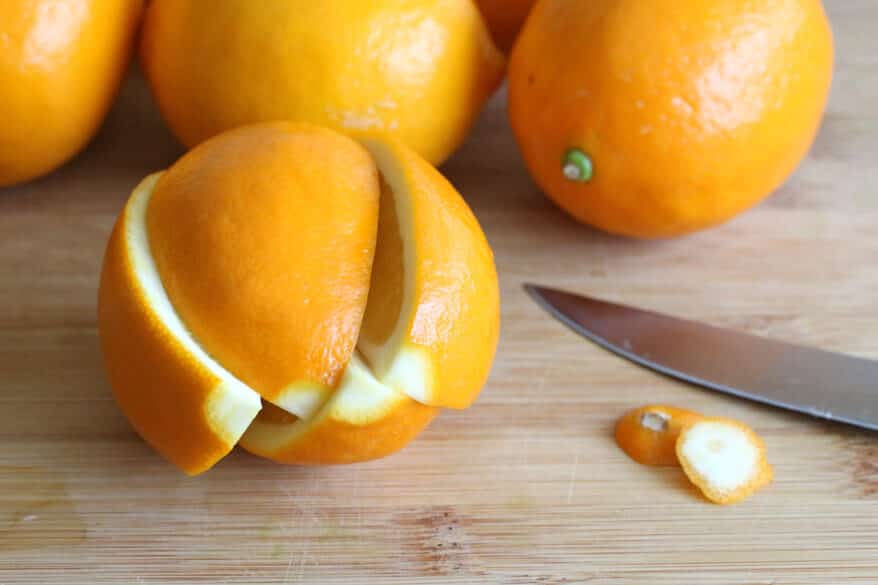
Trim the nubs off both ends of each lemon. Quarter each lemon, slicing them down just over 3/4 of the way to leave the slices attached at the end.
Put one teaspoon of salt into the cavity of each lemon.
Place one teaspoon salt into the bottom of the jar. Put a lemon in the jar, cut-side down, pressing firmly to squish out the lemon juice. Put a teaspoon of salt on top of the lemon. Firmly press the second lemon down on top of the first lemon. Repeat with the third lemon, pressing down firmly. Add a teaspoon of salt on top of the lemon.
The jar should be halfway full with lemon juice. If needed, squeeze some additional lemon juice into the jar to bring it to the halfway point. Don't waste that lemon; slice it and stuff the slices into the jar. Pour the boiled/cooled water into the jar to fill it to the top.
Screw the lid on and let it sit at room temperature for 3 days, shaking it and rotating the jar upside-down/right-side up a few times per day. After 3 days transfer the jars to the refrigerator and let them sit for at least 3 weeks before using. Store in the fridge, will keep for at least 6 months.
Remember: Whatever dish you use them in, discard the pulp (it's the peel that is used) and thoroughly wash the peel to remove excess salt.
Unlike many other ethnic cuisines, Mediterranean cuisine is not the product of a specific ethnic group or culture. Rather, it is a label referring to the culinary trends shared by a diverse array of peoples that live in the region around the Mediterranean Sea. The overarching characteristics of Mediterranean cuisine are largely shaped by the climate and geography of the region. The sunny, mild Mediterranean climate yields an agricultural bounty that heavily influences the vegetable-dominant cuisines of the region. It's more than just good olive oil.
Fresh vegetables dominate Mediterranean cuisine, with a wide variety taking center stage in dishes throughout the region. While there is some cultural variation, eggplant, artichokes, squash, tomatoes, legumes, onions, mushrooms, okra, cucumbers, and a variety of greens and lettuces all flourish in this region and are commonly used. Vegetables appear in dishes in a variety of forms: baked, roasted, sautéed grilled, puréed, and served fresh in salads. Meat is used more sparingly.
Mediterranean cuisine is broken up into three distinct regions. Eastern. Southern and North African. Eastern cuisine, describes the culinary traditions of Greece, Turkey, Syria, Lebanon, Israel, Palestine, and Egypt. The flavors of parsley, sumac, mint, and lemon juice dominate the Eastern Mediterranean cooking palate, while pomegranates and nuts are regular ingredients in sauces and spreads. Grains take the form of rice or flat breads like pita and lavash, and don't forget the great yogurt and fresh cheeses like feta.
Southern European cuisine, which is found in Italy, Southern France, and Spain, contains wine enhanced recipes with bold flavors. Pork is also consumed more by these countries than the rest of the Mediterranean, and is more prevalent than goat, mutton, or lamb. Tomatoes, garlic, capers, anchovies, mustard, anise, and pine nuts are used in a variety of combinations to flavor Southern European dishes. A multitude of different grains are consumed: leavened breads, pasta, and rice are staples.
North African cuisine is characterized by an abundant use of spices. Morocco, Algeria, Tunisia, and Libya all regularly use cumin, coriander, saffron, cinnamon, cloves, chilies, saffron, and paprika. Dried fruit like dates, apricots, and raisins make frequent appearances in North African cuisine, both on their own and in cooked dishes. Lamb, goat, chicken and lots of slow cooked stews and meat dishes. Very aromatic.
Regardless of which region you like the best, they all offer something very special to the world, taste! A taste that makes you remember your childhood and the gatherings of family and friends and that crazy aunt with the hairy mole.
Mangia! Mangia!
Kid Approved Veggie Pancakes
1 cup rice, cooked
6 green onions, sliced
2 carrots, shredded
1/4 cup parsley
2 clove garlic, grated
2 eggs
2 tbs flour
Salt and pepper to taste
Olive oil for cooking
Combine the rice, onions, carrots, parsley, garlic, and flour in a large mixing bowl, stirring to combine thoroughly. Beat two eggs in a separate bowl and add to the mix. Combine.
Form into palm-size patties. Heat olive oil in a fry pan and cook the pancakes so they’re brown and heated through, about five minutes per side. Season with salt right after removing them from the pan.
This next recipe is a fun one for the kids. They can help assemble them and be apart of the process.
| Recipe and Photo Here |
1 tube pillbury crescent rolls
1/2 tsp Italian seasoning
4 boneless chicken breasts
2 C marinara sauce, we used barilla
1 C grated parmesan cheese
1/4 C shredded mozzarella cheese
8 wooden skewers (soaked in water for 30 min) You can also use metal skewars
Place chicken in a ziplock bag or bowl with the marinara sauce and coat evenly.
Pour parmesan cheese into bowl and dip the chicken into the cheese.
Assemble the skewers by threading one end of the the stick with crescent dough (lengthwise) adding a chunk of chicken and then wrapping the dough around the chicken until the skewer is filled. Sprinkle each kabob with Italian seasoning.
Place skewers onto a sprayed baking sheet and bake at 400o until the chicken is browned slightly, about 20 minutes. Watch to make sure the dough doesn't burn. Turn your skewers so they evenly cook.
Remove from oven and sprinkle with mozzarella cheese.
| Recipe courtesy of chelciesfoodfiles.com |
8 portobello mushroom caps
2 Tbsp balsamic vinegar (the best balsamic you can get)
1.5 Tbsp olive oil (I used lite) + 1 Tbsp separated from the other amount
course salt and pepper
1 pint of cherry tomatoes
4 cloves garlic, minced
4 Tbsp basil walnut pesto (recipe below)
1 C polenta (corn grits)
3 C chicken or veg stock
1 tsp butter (I used vegan butter)
4 oz goat cheese
Walnut Pesto
2 C basil leaes
1/2 C toasted walnuts (you can also use pine nuts, toasted in a dry pan)
1/2 C grated parmesan cheese
2 cloves garlic
1/2 C olive oil
Combine all ingredients into your food processor and grind until combined and smooth.
For the Balsamic Portobellos
Preheat over to 425o and line two baking sheets with a piece of tin foil. In a small bowl, whisk together 2 Tbsp balsamic vinegar, 1.5 Tbsp olive oil and a generous pinch of both salt and pepper.
Clean the gills from the underside of your portobello mushrooms, carefully with a spoon. Baste and coat each mushroom with the mixture and place the mushrooms side up on one baking pan.
On the other baking sheet toss together your cherry tomatoes, garlic, and 1 Tbsp of remaining olive oil and also season with salt and pepper.
Roast both pan in the oven for 25 minutes. Make sure the oven racks are only about 1 inch apart and place the mushrooms on the bottom rack.
While the veg is roasting, heat a stock pot on the stove and bring 3 cups of stock to a boil Add in the polenta grits, turn heat to love, and stir frequently while the mixture cooks. It can stick and burn if you don't watch it closely. Stir till it thickens.
When the polenta is thickened (usually about 15 min) add your goat cheese and stir until the cheese melts in.
Remove roasted tomatoes and portobello mushrooms from the oven and slice your mushrooms to bite sized pieces.
Assemble your bowl or plate adding a scoop of polenta on the bottom with mushroom on top and then your tomatoes. Drizzle with walnut pesto and extra olive oil if desired.
This next recipe is kind of a fun one. I had my son help me slice the veggies and arrange them on the puff pastry. Easy and tasty.
14 ounces frozen puff pastry, slightly thawed
1 eggplant
1 zucchini
1 yellow zucchini
1 crookneck squash
1 red bell pepper
Small can tomato sauce
2 tablespoons olive oil
Salt and pepper
Fresh thyme
Feta and/or goat cheese, crumbled
Preheat the oven to 375 degrees
Cover a baking sheet with parchment paper. Once the puff pastry is thawed enough to be pliable, lay it on the baking sheet. Break off rectangles of the puff pastry as needed to make it fit on the baking sheet. Prick the pastry with a fork at 1-inch intervals.
Spread the tomato sauce onto the pastry; leaving a 1-inch border at the edges.
Trim the ends off the zucchinis, squash and bell pepper. Using a mandoline or a very sharp knife, slice the vegetables into very thin pieces, about 1/16th of an inch thick.
Arrange the vegetables on top of the tart, concentrically or in rows, slightly overlapping them. You’ll probably have some left over.
Drizzle the vegetables with olive oil and salt and pepper, and sprinkle thyme leaves on top.
Bake in the oven for about 25 to 30 minutes, or until pastry is browned and the vegetables look soft.
Slide onto a cutting board and sprinkle with feta and/or goat cheese. Cut into squares or strips.
Serve warm or at room temperature.
1 pound chopped mixed nuts
1 teaspoon ground cinnamon
1 (16 ounce) package phyllo dough
1 cup butter, melted
1 cup white sugar
1 cup water
1/2 cup honey
1 teaspoon vanilla extract
1 teaspoon grated lemon zest
Preheat oven to 350 degrees. Butter a 9x13 inch baking dish.
Toss together cinnamon and nuts. Unroll phyllo and cut whole stack in half to fit the dish. Cover phyllo with a damp cloth while assembling the baklava, to keep it from drying out.
Place two sheets of phyllo in the bottom of the prepared dish. Brush generously with butter. Sprinkle 2 to 3 tablespoons of the nut mixture on top. Repeat layers until all ingredients are used, ending with about 6 sheets of phyllo. Using a sharp knife, cut baklava (all the way through to the bottom of the dish) into four long rows, then (nine times) diagonally to make 36 diamond shapes.
Bake in preheated oven 50 minutes, until golden and crisp.
While baklava is baking, combine sugar and water in a small saucepan over medium heat and bring to a boil. Stir in honey, vanilla and lemon zest, reduce heat and simmer 20 minutes.
Remove the baklava from the oven and immediately spoon the syrup over it. Let cool completely before serving. Store uncovered.
Preserved Lemons
3 Meyer lemons* (or Eureka, Lisbon,) per pint-sized jar
5-6 teaspoons salt
An extra lemon for juicing
Water that has been boiled and cooled (sterile)
Meyer lemons are very unique and sweet, you don't have to use them in the recipe, but if you can get your hands on them, they are extraordinarily tasty.
You can make however many preserved lemons you like, but roughly 3 will fit per pint-sized jar. Thoroughly clean the lemons. Organic is recommended. If you can't find organic, let the lemons sit in some vinegar water for a few minutes, then rinse.
Trim the nubs off both ends of each lemon. Quarter each lemon, slicing them down just over 3/4 of the way to leave the slices attached at the end.
Put one teaspoon of salt into the cavity of each lemon.
Place one teaspoon salt into the bottom of the jar. Put a lemon in the jar, cut-side down, pressing firmly to squish out the lemon juice. Put a teaspoon of salt on top of the lemon. Firmly press the second lemon down on top of the first lemon. Repeat with the third lemon, pressing down firmly. Add a teaspoon of salt on top of the lemon.
The jar should be halfway full with lemon juice. If needed, squeeze some additional lemon juice into the jar to bring it to the halfway point. Don't waste that lemon; slice it and stuff the slices into the jar. Pour the boiled/cooled water into the jar to fill it to the top.
Screw the lid on and let it sit at room temperature for 3 days, shaking it and rotating the jar upside-down/right-side up a few times per day. After 3 days transfer the jars to the refrigerator and let them sit for at least 3 weeks before using. Store in the fridge, will keep for at least 6 months.
Remember: Whatever dish you use them in, discard the pulp (it's the peel that is used) and thoroughly wash the peel to remove excess salt.
- 1 tube pillsbury breadstick dough
- 4 boneless skinless chicken breasts, cubed into 1 inch pieces
- 2 cups of your favorite homemade or premade marinara sauce
- 1 cup grated parmesan cheese
- ¼ cup shredded parmesan cheese
- 8 wooden or metal skewers (is using wooden, soak in water for 30 minutes before placing on grill or putting in the oven)
Instructions
- See more at: http://community.epicurious.com/post/chicken-parmesan-sub-skewers#sthash.5asWvkxm.dpuf- Place chicken in a ziplock bag or bowl with the marinara sauce and coat completely
- Pour parmesan cheese into medium sized bowl. Take each piece of chicken and dredge in parmesan cheese, coating completely
- Assemble your skewers by threading one end of breadstick dough, then a piece of chicken, then wrapping with breadstick, followed by another piece of chicken, and repeating until you reach the end of your breadstick dough. For me it wrapped around 3 cubes of chicken.
- Grill for about 10 minutes on each side, or bake in the oven for 20 minutes at 400 (less depending on thickness of chicken)
- Take off of the heat and sprinkle with mozzarella
Subscribe to:
Posts (Atom)